


 Sites Included:
• Bete Medhane Alem – The House of the Saviour of the World, monumental in scale.
• Bete Maryam – Dedicated to the Virgin Mary, vibrant with symbolic carvings.
• Bete Golgotha Mikael – Believed to contain the tomb of King Lalibela.
• Bete Meskel, Bete Denagel, and Bete Debre Sina – Smaller chapels symbolizing saints and biblical scenes.
 Cultural Experience:
• Attend a brief morning service to witness living worship.
• Visit a local handicraft market near the site for souvenirs and handmade crosses.
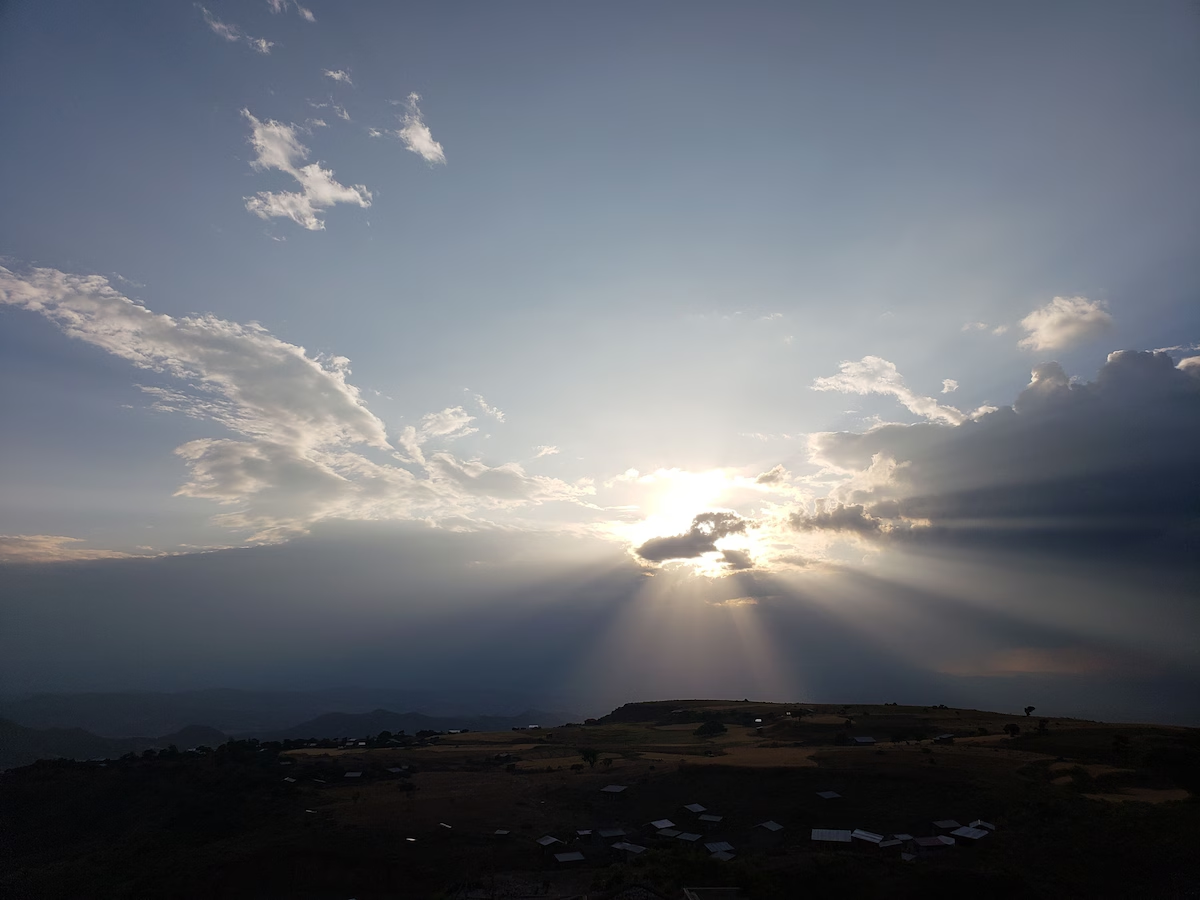
 End your tour with a panoramic view of Lalibela town from the top of the escarpment.
Half Day 2: The Southern Cluster – Symbols of Sacrifice
Duration: 3–4 hours | Tour Type: Spiritual & Historical Exploration
Descend into the southern group of churches, linked by narrow passageways and symbolically representing the earthly pilgrimage to heaven.
Sites Included:
• Bete Amanuel – Finely detailed and considered a royal family chapel.
• Bete Merkorios – Believed to have served as a prison in earlier times.
• Bete Abba Libanos – Carved from top down, symbolizing devotion and humility.
• Bete Gabriel-Rufael – Possibly a former royal palace before becoming a church.
 Cultural Experience:
• Visit a nearby traditional house for an Ethiopian coffee ceremony.
• Learn about the daily spiritual life of priests and deacons serving in the churches.
A journey from royal heritage to heavenly devotion.

 Itinerary Option 2: One Full Day – The Complete Pilgrimage
Duration: 6–8 hours (with lunch break) | Tour Type: Historical, Spiritual, Cultural
For those who wish to experience Lalibela’s full sacred circuit in one day, this complete tour offers an unforgettable immersion into both the northern and southern clusters and the crown jewel — Bete Giyorgis.
Morning: The Northern Cluster
Begin your morning exploring the monumental northern churches (Bete Medhane Alem, Bete Maryam, and Bete Golgotha Mikael).
Enjoy insightful storytelling from your guide on the architectural symbolism, biblical references, and the legend of King Lalibela’s divine mission.
Cultural Stop: Pause for a light snack or coffee in a local teahouse, surrounded by traditional tukuls Ethiopia in one timeless journey.
Afternoon: The Southern Cluster & Bete Giyorgis
After lunch, continue to the southern cluster and end the day at Bete Giyorgis (St. George’s Church) — the most photographed and spiritually moving site in Lalibela.
Its perfect cruciform design, carved into a single massive rock, stands as a symbol of Ethiopia’s enduring faith.
As the sun sets, golden light fills the trench surrounding Bete Giyorgis — a moment of silence, reflection, and awe. Optional Add-ons:
• Attend an evening chanting ceremony at one of the churches.
• Visit a local family home for dinner and traditional music. A full-day pilgrimage that unites faith, history, and culture — the spirit of Ethiopia in one timeless journey.
